

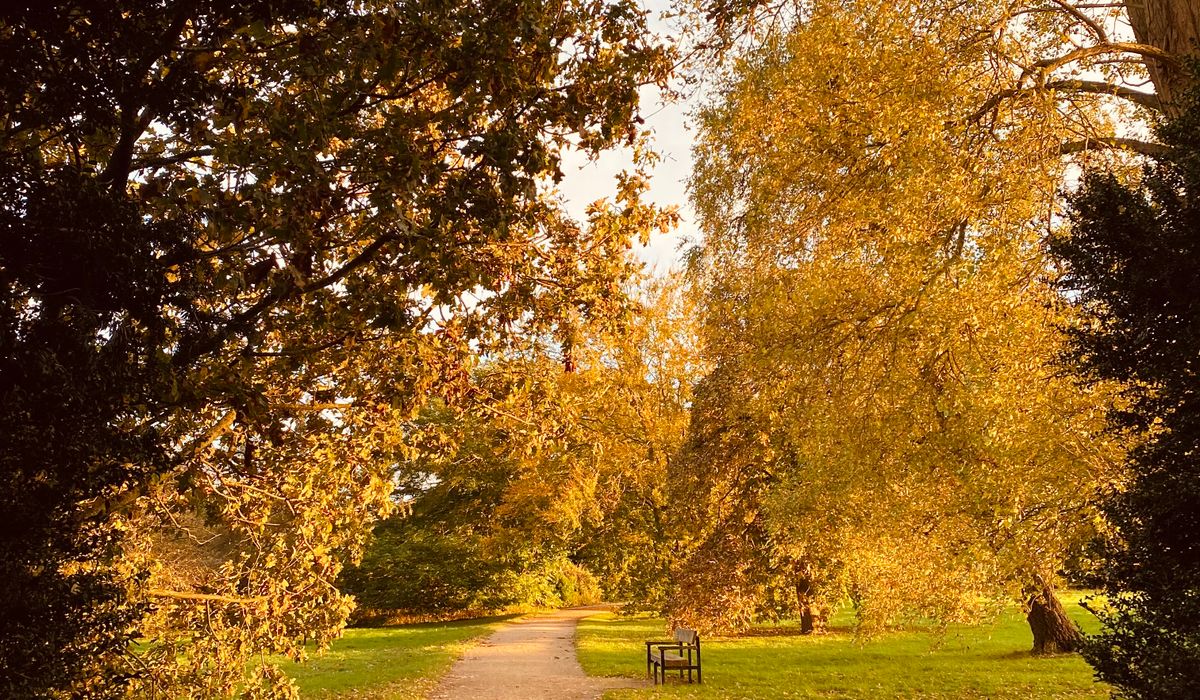
A Woodland Built on Decay
In a tidy woodland, deadwood can look like neglect. A fallen bough, a lightning-split trunk, a pile of damp logs: these are often cleared away as hazards or eyesores. But for a healthy British woodland, deadwood is not waste. It is the foundation of a food web that begins with fungi and beetles and ends with bats, birds, and the quiet renewal of soil. Leaving some deadwood in place is one of the simplest and most effective ways to support woodland biodiversity.
Deadwood is not a single habitat. It is a collection of microhabitats: sunlit logs, shaded stumps, damp hollows, dry standing trunks, and crumbling heartwood. Each stage of decay suits different species. A branch that falls this winter will be colonised by wood-rotting fungi within months; decades later, its remains will feed mosses, invertebrates, and tiny mammals. The key is variety, and time.
Standing Dead Trees: Nature’s High-Rise
Standing dead trees, often called snags, are among the most valuable features in a wood. They are used by bats as roosts, by woodpeckers as nesting and foraging sites, and by owls as perches. Crevices behind loose bark offer shelter from rain and predators. Hollow trunks provide nursery roosts for bats such as the brown long-eared and Natterer’s, while decayed heartwood supports larvae that birds depend on.
Safety must come first, especially near paths, roads, buildings, and power lines. But a tree does not have to be felled completely. If a standing dead tree is unsafe, consider reducing it to a monolith: a sturdy trunk of three to five metres. This keeps the habitat value of the trunk while removing the risk. Where there is space, retain a few standing dead trees per hectare and allow others to decay naturally.
Beetles, Fungi and the Recycling Crew
Deadwood is a nursery for saproxylic invertebrates, creatures that depend on decaying wood at some stage of their lives. In Britain these include the stag beetle, lesser stag beetle, longhorn beetles, hoverflies, and countless small flies and beetles that few of us notice. They tunnel, feed, and breed in rotting timber, opening up the wood for fungi and other organisms.
Fungi are the true architects of decay. Bracket fungi, jelly fungi, and crust fungi break down lignin and cellulose, turning solid trunks into soft, crumbly wood. Their mycelium threads through the log, creating a network that holds moisture and nutrients. Many woodland plants, including orchids and bluebells, benefit from the richer soil that results.
- Fresh deadwood: small branches and twigs, used by beetles and larvae.
- Damp logs: mosses, liverworts, and fungi, plus shelter for amphibians.
- Old stumps: slow decay, deep crevices, and long-lasting habitat.
- Standing snags: roosts, nesting holes, and feeding sites above ground.
Bats, Birds and the Deadwood Food Web
Bats need deadwood, though they do not eat it; they feed on the insects that emerge from it. A single decaying oak can produce thousands of beetles, moths, and flies over a season, drawing bats through the woodland at dusk. Crevices under bark and in hollow trunks offer safe roosts by day. Pipistrelles, noctules, and barbastelles all use deadwood features in different ways.
Birds benefit too. Great spotted woodpeckers drill into dead trees for grubs; nuthatches and tits nest in old holes; treecreepers forage on decaying bark. In autumn and winter, rotting logs and stumps harbour insects and grubs that become vital food when other sources are scarce. Deadwood is not just a summer habitat; it is a larder that keeps giving through the cold months.
Practical Ways to Leave Deadwood in Place
Conservation does not mean abandoning management. It means making room for decay alongside access, safety, and heritage. Here are practical steps for woodland owners, community groups, and anyone caring for trees.
- Leave fallen branches where they land if they are away from paths, roads, and watercourses. Brash and log piles shelter invertebrates, amphibians, and small mammals.
- Retain standing dead trees where they pose no risk. If reduced, keep a monolith of three to five metres rather than grinding out the stump.
- Create log piles in shade and sun; different species need different conditions.
- Keep deadwood in streams and ponds. Woody debris slows flow, traps leaf litter, and shelters aquatic invertebrates and fish.
- Avoid moving deadwood long distances; local material reduces the risk of spreading pests and diseases.
- Record what you see. Notes on beetles, fungi, bats, or nesting birds help build a picture of the wood’s health.
Deadwood and Rural Heritage
Britain’s woodlands have been shaped by centuries of coppicing, wood pasture, charcoal burning, and timber harvesting. Deadwood was once a resource: firewood, hurdle rods, tool handles, and charcoal. Today, rural heritage and conservation go hand in hand. The old crafts remind us that woodlands are working landscapes, but they also teach us that decay is part of the cycle. A coppice stool left to grow old, a veteran oak with hollows, a fallen boundary tree: these are living records of past management and future habitat.
Leaving deadwood is not neglect. It is a deliberate act of care. It says that a woodland is more than timber and tidiness; it is a community of species, many of them small, hidden, and utterly dependent on the slow work of decay. Whether you manage a large estate, a village copse, or a single garden tree, you can help. Let a branch lie, keep a standing trunk, and watch the wood come alive.


John Doe
14 January, 2022Having no content in post should have adverse..
Chauffina Carr
10 April, 2022We use these tests all time! Killer stuff!
Jim Séchen
16 July, 2022Thanks for all the comments, everyone!