

Why native wildflowers are worth the effort
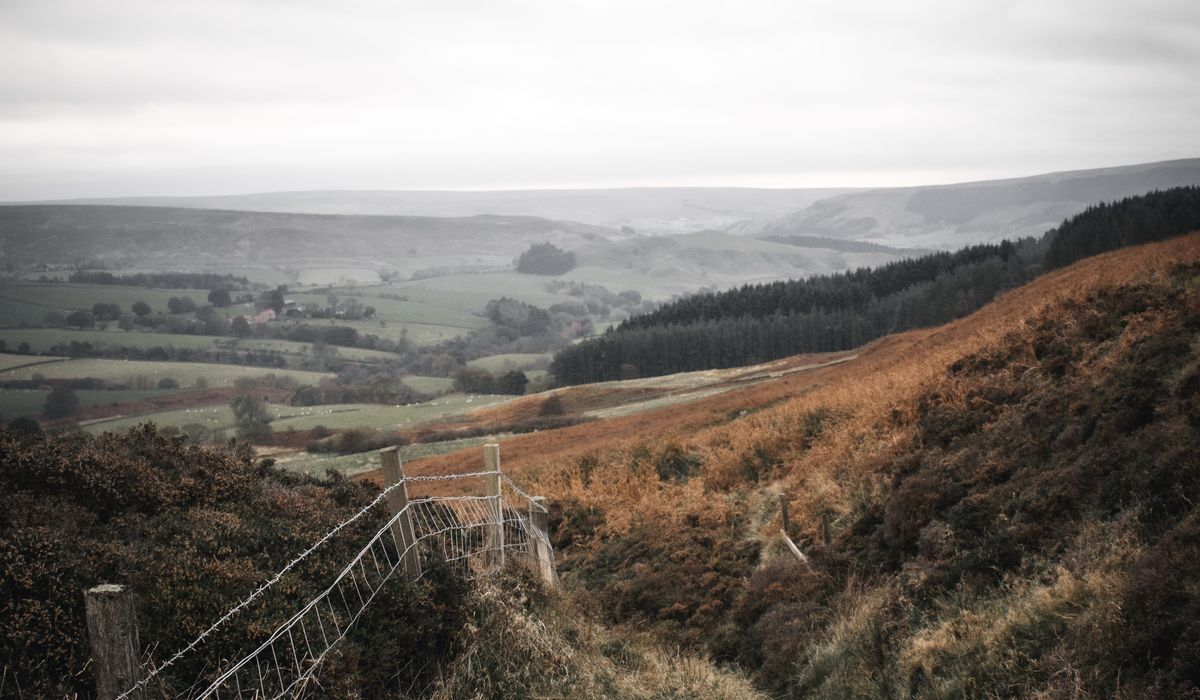
Walk almost anywhere in Britain and you are walking through the ghost of a meadow. Since the 1930s we have lost the overwhelming majority of our unimproved flower-rich grassland, ploughed up for crops, reseeded for silage or swallowed by development. What survives — a strip of verge beside a lane, a churchyard corner, an old orchard floor — is often all that remains of a landscape that once shaped our farming calendar and our language.
Growing native wildflowers is a small act of restoration, and it is far more rewarding than it sounds. A patch of ox-eye daisy, knapweed, cowslip and yellow rattle will feed bees, moths, and butterflies that introduced garden varieties simply cannot. It also looks genuinely British, in the way a hedgerow looks British: unruly in June, sun-bleached in August, quietly full of seed by September.
The good news is that it is not complicated. Choose the right seed, prepare the ground properly, sow in autumn and cut at the right moment. Get those four things right and the rest largely looks after itself.
Match your seed to your soil
This is the single most common mistake. A wildflower mix designed for chalk downland will sulk and die on heavy clay, and a wetland mix will do nothing on a sandy bank. Before ordering anything, work out what you are gardening on, and buy a mix — or a list of species — suited to it.
- Heavy clay and damp ground: ragged robin, great burnet, meadowsweet, cuckooflower, sneezewort.
- Chalk and limestone: cowslip, wild marjoram, salad burnet, kidney vetch, common rock-rose.
- Sandy, light or slightly acid soil: harebell, sheep's sorrel, heath bedstraw, tormentil, betony.
- Almost anywhere, given poor soil: ox-eye daisy, field scabious, yarrow, common knapweed, bird's-foot trefoil.
Two further choices matter. First, annuals or perennials. Cornfield annuals such as cornflower, corn marigold and poppy give a brilliant first summer but fade unless the ground is disturbed each year — useful for a quick display while perennials establish. Perennial meadow mixes are slower, taking two or three summers to hit their stride, but they are the real thing.
Second, provenance. Ask for seed of British native origin, ideally from stock grown as close to your area as you can manage. Local provenance keeps our regional variations intact — the cowslips of one county are not quite those of another — and such plants tend to establish more reliably.
If you can, include a little yellow rattle. This modest yellow-flowered annual is a partial parasite on grass roots, and it is the traditional meadow-maker: it weakens vigorous grasses and opens up space for flowers. Sow it at about half a gram per square metre and it will spread itself.
Prepare a weed-free patch
Wildflowers cannot compete with established weeds or with hungry, fertile soil. Both problems are solved by preparation, and this stage takes months rather than days. Be patient here and everything afterwards becomes easier.
Start by stripping the area. If you are converting lawn, cut the turf off in shallow spits and stack it upside down somewhere out of the way — after a year it makes excellent planting soil for elsewhere. Then leave the bare ground fallow for several weeks and hoe or lightly cultivate every flush of weeds that appears. Repeat two or three times across a season. This exhausting-the-weed-seedbank approach is far more effective than any chemical shortcut.
Crucially, do not add compost, manure or fertiliser. Rich soil grows lush grass and floppy, short-lived flowers. Wildflowers want lean ground. On very fertile former vegetable plots or old pasture, it may be worth removing 5–10 cm of topsoil altogether and sowing onto the poorer subsoil beneath.
Aim for a fine, firm, level tilth with no lumps. Tread it, rake it, tread it again.
Sow in autumn, not spring
Late August to mid-October is the best window in most of Britain. The soil is still warm, autumn rain does the watering for you, and the cold of winter breaks the dormancy of species such as yellow rattle and cowslip. Spring sowing is possible but usually disappoints in a dry year.
Rates are modest — around 4 to 5 grams per square metre for a mix containing grasses, or 1 to 2 grams for pure wildflower seed. Mix the seed with dry sand, fine compost or sawdust so you can see where it has gone, then broadcast it in two passes at right angles to each other. Do not bury it: most wildflower seed needs light to germinate. Simply press it in by treading, or roll it lightly.
Water only if the weather turns unseasonably dry. Otherwise leave it alone and expect the first year to look weedy and unpromising.
Cut late, and take the hay away
Management is where most wildflower patches fail. Left alone, they turn back into coarse grass within a few years.
- Year one: cut the new patch to about 5 cm in late summer or early autumn, before annual weeds set seed, and remove the cuttings.
- Thereafter: cut once in late July or August, after the flowers have dropped their seed. Leave the cuttings lying for two or three days so seed sheds, then rake them off and compost them. Removing the cut material is what keeps the soil poor and the flowers diverse — it is haymaking, not mowing.
- Autumn: a second cut to 5–10 cm in October tidies the sward without harming it.
- Never cut everything at once. Leave a strip or corner uncut through winter for insects and seed-eating birds, and rotate which part you leave.
Use a strimmer or scythe set high, and check for hedgehogs and slow-worms before you start.
Growing a little heritage
Every wildflower patch is a small piece of rural heritage kept alive, and it connects to something wider. Save your own seed in late summer from the strongest plants, swap it with neighbours, and note which species thrive on your soil — that local knowledge is exactly what our meadow-keepers once carried in their heads.
If you have room, think beyond the garden: a parish verge, a school field corner, a strip beside an allotment path. Sow them well, cut them late, and the bees, the finches and the following spring's cowslips will do the rest.


John Doe
14 January, 2022Having no content in post should have adverse..
Chauffina Carr
10 April, 2022We use these tests all time! Killer stuff!
Jim Séchen
16 July, 2022Thanks for all the comments, everyone!