

A Familiar Ghost of the Hedgerow
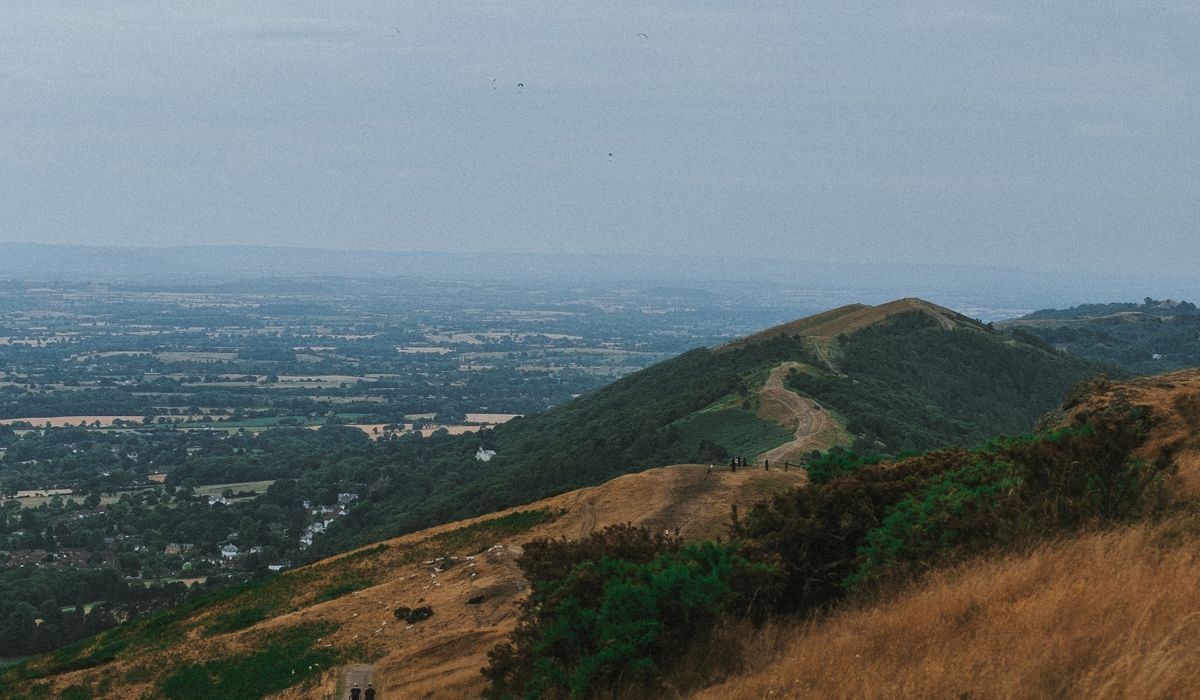
There are few sights more stirring in the British countryside than a barn owl quartering a rough field margin at dusk, pale wings catching the last of the light. For generations, these birds were part of the fabric of rural life, nesting in barns, dovecotes and hollow trees, and hunting the tussocky edges that framed every farm. Their fortunes have risen and fallen with the way we manage land, and today they depend on farmers, smallholders and landowners to give them two simple things: food and somewhere safe to raise young.
The good news is that neither requires dramatic change. A little strategic management of field edges, combined with a well-placed nest box, can turn an ordinary farm into a stronghold for these birds.
Why Field Margins Matter So Much
Barn owls are vole specialists. A single pair with chicks can take well over three thousand small mammals in a breeding season, mostly field voles. Voles thrive in rough, undisturbed grass with a deep litter layer at the base. That litter gives them cover, warmth and a steady supply of food, and it lets them move about safely without crossing open ground.
Sadly, the tidy margins that suit modern machinery do not suit voles. Close-mown verges and sprayed headlands leave hunting owls with almost nothing to catch. The solution is to manage a proportion of margins deliberately for wildlife, accepting a little roughness in exchange for a great deal of benefit. Research from long-running farmland bird studies has repeatedly shown that margins managed this way carry vole numbers several times higher than adjacent cropped land.
Managing a Margin for Voles and Owls
Aim to create a network of rough grass strips rather than one isolated patch. Owls hunt by following linear features, so connected margins along hedges, ditches and woodland edges are far more valuable than scattered fragments.
- Width: Six metres is a good minimum; anything narrower is quickly overwhelmed by spray drift and fertiliser. Where space allows, ten to twelve metres is better still.
- Cutting: Cut only every second or third year, and never all margins in the same season. Leave at least half the network uncut each year so voles always have refuge.
- Timing: Cut in late winter or early spring, before nesting birds arrive but after the worst of the frost. Avoid cutting between April and August, when owls are feeding young.
- Cutting height: Leave a good tussocky stubble of roughly ten to fifteen centimetres. A scalped margin offers no cover at all.
- Inputs: Keep fertiliser, slurry and herbicide well back from the strip. A coarse, flower-rich sward is exactly what you want, so there is no need to improve it.
- Grazing: Light, occasional grazing can be useful for keeping rank grass in check, but heavy stocking will destroy the litter layer.
Where a margin borders a watercourse, a grassy buffer also slows runoff and traps sediment, so the benefits reach well beyond wildlife.
Roosting and Nesting: Getting the Box Right
Barn owls do not build nests. They need a dry, dark cavity with a flat floor and a clear flight path in. Traditional barns and old trees once provided this, but many have been lost, converted or made unsuitable. Well-designed boxes are a proven substitute and are readily taken up when sited correctly.
Place boxes on mature trees, on the gable ends of quiet farm buildings, or on dedicated poles at least four to five metres high. Face the entrance away from prevailing wind and rain, ideally between north-east and south-east, and angle it slightly downward so water cannot blow in. Give the birds a clear approach with no overhanging branches within a few metres of the entrance.
- Choose a box designed specifically for barn owls, with a deep cavity, a landing ledge and a removable front for cleaning.
- Site it away from busy roads. Vehicle collisions are a leading cause of death, and a box overlooking a fast carriageway is a trap rather than a refuge.
- Keep boxes apart from one another. Barn owls are territorial, and pairs need roughly a kilometre of good habitat between nesting sites.
- Mount securely so the box does not sway, and check fixings annually.
- Do not disturb an occupied box between March and September. If you must inspect, do it in winter with a licensed handler.
Thinking Beyond the Farm Gate
No single holding can support barn owls alone. A pair may range over several square kilometres in a poor year, so the real prize is a landscape where margins, rough pasture and nest sites are joined up. Talk to neighbouring farms about coordinating cutting regimes, or consider a cluster of boxes across a parish rather than one per farm.
Rural heritage and wildlife conservation are, in this case, the same work. The hedgerow, the tussocky verge and the old barn are all part of a working landscape that has shaped these birds for centuries. Managing a few rough edges is a modest act of stewardship, and it keeps a piece of our countryside's character alive.
A Patient but Rewarding Project
Do not expect instant results. Voles need a season or two to build up in a newly managed margin, and owls may take several years to find a new box. Once a pair settles, though, the site often becomes a fixture, with the same birds returning year after year.
Start small: pick one hedge, leave it rough, put up a box in a quiet corner, and keep a simple record of what you see at dusk. Patience, consistency and a willingness to leave a little untidiness behind are the whole secret. In return, you may find yourself watching one of Britain's most beautiful predators drifting silently along your own field edge.



John Doe
14 January, 2022Having no content in post should have adverse..
Chauffina Carr
10 April, 2022We use these tests all time! Killer stuff!
Jim Séchen
16 July, 2022Thanks for all the comments, everyone!