

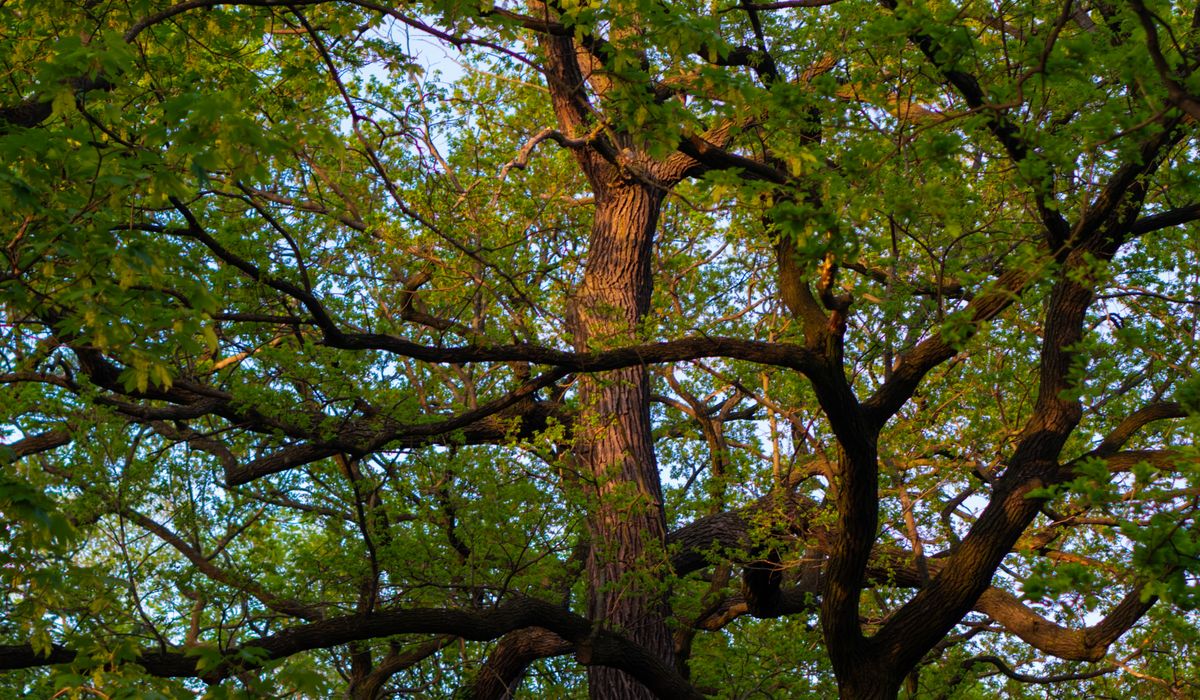
Why Hedgerows Matter More Than You Might Think
A hedgerow is rarely just a line of shrubs. Walk beside a well-managed one in late spring and you will hear it before you see it: the rustle of small mammals, the tick of a wren working through the blackthorn, the low hum of insects moving along what is effectively a motorway for wildlife. Since the middle of the twentieth century, Britain has lost roughly half of its hedgerows, and those that remain are often cut too hard, too often, or left to grow into a thin, leggy line of trunks with nothing at the base.
The good news is that hedges are remarkably forgiving. With a little knowledge and a well-timed cut, a tired boundary can be brought back into good heart within a few seasons. This guide covers the basics: when to trim, what to plant, and how the traditional craft of hedge laying still earns its place on a modern smallholding or community verge.
Know What You Have Before You Cut
Before reaching for the hedge trimmer, spend a season simply looking. A healthy hedgerow typically contains a mix of woody species, with a dense base and a varied structure. Common natives to look out for include hawthorn, blackthorn, hazel, field maple, dog rose, holly, and spindle. Each flowers and fruits at different times, which is exactly why mixed hedges support so much more life than a single-species run of leylandii or beech.
Ask yourself a few practical questions:
- Is the base intact? A gap of half a metre or more beneath the canopy is a sign of over-trimming or shading.
- Are there standards? Occasional full-grown trees left within the line — ash, oak, or field maple — add huge value for birds and bats.
- What is the ground like? A rough, uncultivated margin of a metre or two either side is a wildlife asset in itself, so resist the urge to tidy it flat.
Note your findings. A written record, even a rough sketch, helps you judge progress over the following years.
Seasonal Trimming: The Right Cut at the Right Time
The single most damaging habit is the annual flail cut in late summer. It removes berries before birds can use them, slices through nesting cover, and encourages a dense, boxy outer shell with a dead, hollow centre.
Instead, work to this rough calendar:
- September to February: the safe window for most cutting, once nesting has finished and before birds begin prospecting in spring. Late winter is generally best, as berries have already been eaten.
- March to August: leave it alone. This is peak nesting and flowering season. The only exception is a light trim of a single overhanging branch that is genuinely obstructing a path or road sightline.
- Rotate your cuts: trim a section of hedge each year rather than the whole length, so there is always some taller, fruit-bearing growth standing.
Aim for an A-shaped profile — wider at the base, tapering to the top. This lets light reach the bottom of the hedge, keeping the base thick and bushy rather than bare. Cut no more than a third of the current year's growth, and raise the cutter bar a hand's width above the previous cut line where you can.
Planting a New Hedge or Filling Gaps
The best time to plant bare-root whips is between November and March, while the ground is damp and the plants are dormant. Avoid planting into frozen or waterlogged soil.
Prepare a strip about a metre wide, clearing perennial weeds thoroughly — couch grass and nettles will out-compete young whips. Space plants in a double staggered row, roughly 30cm apart within each row and 40cm between rows. This gives density quickly and creates a stronger windbreak than a single line.
For a mixed native hedge, a classic ratio works well: around 60 per cent hawthorn or blackthorn as the backbone, with the remainder split between hazel, field maple, dog rose, guelder rose, and holly. Add a tree guard or spiral to each whip if rabbits or deer are about, and mulch with well-rotted bark or compost, keeping it clear of the stems.
Water well through the first two summers. After that, most native hedges need very little from you beyond an annual check.
Hedge Laying: An Old Craft Worth Learning
Where a hedge has become tall, gappy, and top-heavy, trimming alone will not save it. Laying is the answer. Practised across Britain for centuries, it involves partially cutting through the stem of a shrub near ground level and bending it over at an angle, without severing it. The living wood keeps growing, sending up fresh shoots along its length.
Laid hedges are cut low, roughly a third of their original height, and the pleachers are held in place with stakes and woven hazel or willow binders. The result is a dense, stock-proof barrier that lasts decades and provides superb nesting habitat at ground level, where it is most needed.
Laying is best done between November and early March. It is skilled work, and it is worth joining a local conservation group or an experienced hedge layer for a day before tackling a long stretch yourself. Even a short, poorly laid section will usually regenerate better than a flailed one.
Small Habits That Make a Big Difference
Conservation rarely comes down to grand gestures. It comes down to timing and restraint.
- Leave the cuttings in a low pile at the field edge for a few days so wildlife can escape, then burn or remove them well away from the hedge base.
- Never spray the hedge base with herbicide. That strip of rough grass and wildflowers is part of the habitat.
- Record what you see. A note of nesting birds, berries, or new growth tells you whether your management is working.
- Talk to your neighbours. Hedgerows work best when they connect, forming corridors across several holdings rather than isolated fragments.
Give a hedge a decade of patient, well-timed care and it will repay you handsomely — in blossom, in fruit, in birdsong, and in the quiet satisfaction of a boundary that is both beautiful and alive.





John Doe
14 January, 2022Having no content in post should have adverse..
Chauffina Carr
10 April, 2022We use these tests all time! Killer stuff!
Jim Séchen
16 July, 2022Thanks for all the comments, everyone!