

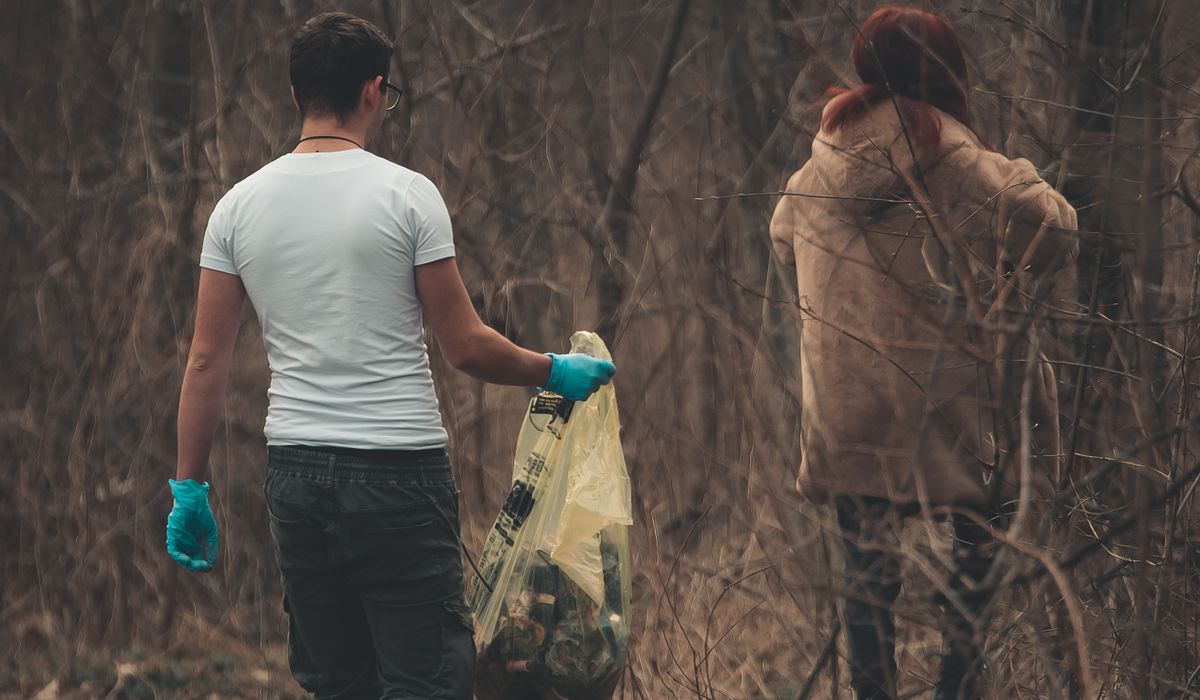
A Network That Belongs to All of Us
England and Wales are stitched together by roughly 140,000 miles of public rights of way — a working inheritance of footpaths, bridleways and green lanes that predates the motor car and, in many cases, the enclosure acts. These are not permissive gestures from generous landowners. They are legal highways, recorded on the definitive map that every highway authority is obliged to maintain. The width of a path, its exact line across a field and the type of traffic allowed upon it are all matters of record, and have been argued over in parish halls and county offices for generations.
Learning to read that network is one of the quiet pleasures of walking in the British countryside. It also makes you a better guest on other people's land.
Reading the Waymarks
Most waymarking in England and Wales follows a national convention of coloured arrows, usually on small discs or plates fixed to gates, posts or stiles. Once you know the code, a glance tells you exactly who may use the path under your boots.
- Yellow arrow — public footpath. Walkers only. You may push a pram or wheelchair if the surface allows, and take a dog, but no cycling or horse riding.
- Blue arrow — public bridleway. Walkers, horse riders and cyclists. Cyclists must give way to walkers and riders, and should be ready to stop on blind bends.
- Purple arrow — restricted byway. As a bridleway, plus horse-drawn vehicles and other non-mechanical transport.
- Red or orange arrow — byway open to all traffic, in practice usually a green lane that carries the occasional trail bike or four-by-four.
You will also meet the acorn, the waymark of the National Trails, where the route is signed more generously with fingerposts and numbered discs. Where no arrow exists, a simple painted mark on a gatepost or a fingerpost at a junction is often all the evidence you get.
Stiles, Gates and the Small Courtesies
The furniture of a right of way — the stile, the kissing gate, the footbridge over a ditch — exists to let you through while keeping livestock where they belong. Wooden step stiles and stone squeeze stiles are the oldest and often the most characterful; metal kissing gates are easier for dogs, rucksacks and older knees, and many authorities now replace stiles with them where the ground allows.
Two habits mark out a considerate walker. First, leave every gate as you find it: if it was closed, close it; if it was open, leave it open. A gate wrongly shut can cut a herd off from water. Second, cross stiles one at a time and keep dogs under close control at each one, so nobody tumbles into a nettle bed or a field of in-calf heifers.
Your Rights — and What Comes With Them
On a public right of way you have the right to pass and repass along the recorded line. That means you may walk the path, stop to admire a view, take a photograph and eat your sandwiches. It does not mean you may stray into the crop, picnic in a hay meadow, light a fire or camp.
- Keep to the line. If a path crosses a field, the farmer must keep it clear and reasonably convenient to use.
- Take your litter home, including fruit peel and dog bags. A bag hung in a hedge is worse than no bag at all.
- Clean up after your dog, and keep it on a lead around livestock and between 1 March and 31 July, when ground-nesting birds and young animals are most vulnerable.
- Give way to horses and to farm machinery, and step into the field margin rather than into the crop.
Crossing Farmland Well
Arable fields are the most common source of frustration. Where a footpath crosses land that is ploughed, the occupier must reinstate the path within fourteen days, and within twenty-four hours of being told it is impassable. If the crop makes the line impossible to follow, you are entitled to walk around the field margin — but only as far as is necessary to regain the path, and never trampling a wider strip than you must.
Livestock deserves patience rather than alarm. Cattle with calves are the genuine risk; give them a wide berth, do not walk between a cow and her calf, and if you feel threatened, let your dog off the lead so it can run clear while you walk steadily away. Horses are curious but easily startled, so speak as you approach and pass wide and slow.
When a Path Fails You
Overgrown stiles, missing waymarks, a locked gate or a path ploughed and never reinstated are all reportable. The rights of way team at your local highway authority is the first point of contact, and parish councils and volunteer path groups often keep a watching brief on their own patch. Photograph the obstruction, note the grid reference and the date, and pass it on. Paths that are walked and reported stay open; paths that are quietly ignored have a habit of disappearing from the map. Walking them regularly is the oldest form of conservation there is.



John Doe
14 January, 2022Having no content in post should have adverse..
Chauffina Carr
10 April, 2022We use these tests all time! Killer stuff!
Jim Séchen
16 July, 2022Thanks for all the comments, everyone!