

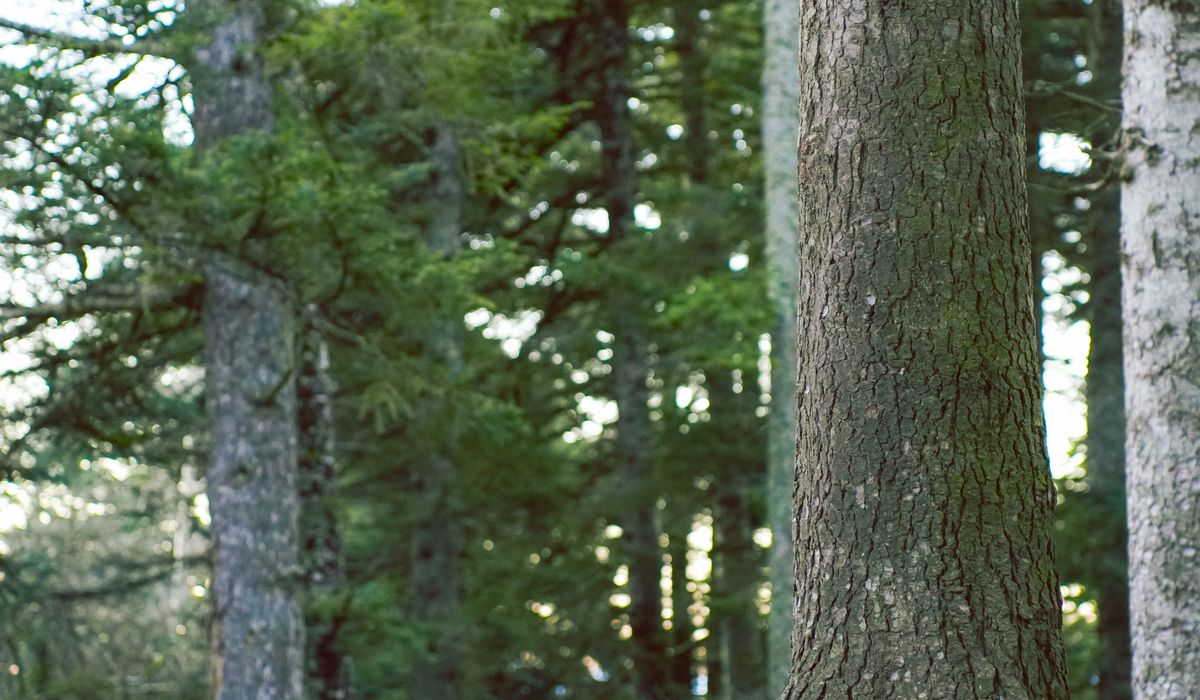
There is a particular hush in a British woodland in spring. The air is cool and damp, the light is soft through bare branches, and the ground is waking up. For anyone interested in rural heritage, this is the best moment to read the landscape — not with a map, but with your eyes on the plants beneath your feet.
What Makes a Woodland Ancient?
Ancient woodland is land that has been continuously wooded since at least 1600 in England, Wales and Northern Ireland, and since 1750 in Scotland. These woods have escaped the plough, the builder and the bulldozer. They are our richest terrestrial habitat, home to more threatened species than any other, and they cannot be recreated once lost. A newly planted wood, however lovely, will not have the same depth of life for centuries.
Historical maps and old estate records can hint at a wood’s age, but the most immediate evidence is botanical. A group of plants known as ancient woodland indicators are slow to colonise new sites. They spread by rhizomes or heavy seeds, not on the wind, so they tend to stay put. When you find them in abundance, you are likely standing in a wood with centuries of continuity. Spring is the ideal time to look, before the canopy closes and the ground flora retreats into shade.
Bluebells: The Blue Carpet Clue
Few sights are more evocative than a drift of native bluebells in late April or May. But not every bluebell is a sign of ancient woodland. The native species is a strong indicator when it forms large, dense carpets, especially alongside other indicator plants.
- Native bluebell: Deep violet-blue, with narrow tubular flowers that droop to one side of the stem. The pollen is creamy white, the scent is sweet, and the leaves are narrow. It spreads slowly by bulb offsets, so big patches take decades to develop.
- Spanish bluebell: Paler blue, often pink or white, with flowers arranged all around an upright stem. The pollen is blue, the scent is faint, and the leaves are broader. It is a garden escape that hybridises with our native plant and is not an ancient woodland indicator.
Large drifts of native bluebell are a wonderful hint, but they are not proof on their own. Look for them in the company of wood anemone, dog’s mercury or wood sorrel to strengthen the case.
Wood Anemone and Dog’s Mercury: The Slow Spreaders
Wood anemone is another plant that takes its time. It spreads by underground rhizomes, creeping perhaps a few centimetres a year. A patch a metre across may be decades old. Its star-like white flowers, often flushed with pink on the underside, open in sunshine and close at night or before rain. In a true ancient woodland, it can cover the ground in early spring.
Dog’s mercury is less showy but just as telling. It is a green, unassuming plant with paired, toothed leaves and tiny flowers. Male and female flowers usually grow on separate plants. It forms dense carpets in old woods, particularly on heavier soils, and is one of the most reliable indicators of long continuity. Because it is easily overlooked, take time to learn its leaves — once you know it, you will see it everywhere in ancient woods.
Both plants are poor colonisers of new sites. Their presence in quantity suggests the wood has not been cleared, ploughed or heavily disturbed for a very long time.
More Botanical Clues to Look For
Indicator species vary across Britain, but several are widespread and worth learning. The more you find together, the stronger the evidence.
- Wild garlic (ramsons): Broad, glossy leaves with a strong garlic smell when crushed, and white star-like flowers in spring. It often carpets damp, ancient woods.
- Wood sorrel: Delicate trifoliate leaves, like clover, with white, veined flowers. It spreads by rhizomes and prefers shaded, acidic soils.
- Yellow archangel: A dead-nettle relative with yellow flowers and heart-shaped leaves. It is a classic ancient woodland plant, especially in the south and east.
- Early purple orchid: Spotted leaves and a spike of purple flowers in April and May. It is slow to establish and a joy to find.
- Primrose: Pale yellow flowers in early spring. It is not confined to ancient woods, but large populations are a good sign.
- Hairy woodrush and pendulous sedge: Less glamorous but reliable indicators, often found in older, wetter woods.
No single species is definitive. A lone bluebell or primrose proves little. But a rich community of indicators, flowering together in spring, is a powerful clue.
Beyond the Plants: Landscape and History
Ancient woodland also leaves physical marks. Look for these alongside the botanical signs.
- Coppice stools: Old, multi-stemmed trees with a wide base. These are the result of centuries of cutting for wood, a traditional rural practice.
- Boundary banks and ditches: Earthworks that once marked the edge of a wood or a parish. They often survive long after the wood has shrunk.
- Pollarded trees: Trees cut above head height to produce fodder and wood. Ancient pollards can be centuries old and are havens for wildlife.
- Irregular boundaries and relict hedgerows: Winding edges and species-rich hedges often indicate old woodland that was cleared piecemeal.
Combine these clues with your plant list. A wood with old coppice stools, a boundary bank and a carpet of dog’s mercury is almost certainly ancient.
Recording, Respecting and Protecting
When you visit, tread lightly. Stay on paths where possible, keep dogs under control, and never pick or dig up wild plants. Photograph what you see instead, and note the date and location. A simple notebook or phone app can capture your records.
Share your findings with a local recording group or county recorder. These records help conservation bodies protect ancient woods from development and poor management. They also build a picture of how our woodland heritage is faring.
Recognising the signs of ancient woodland is a skill anyone can learn. It deepens every spring walk, turning a pleasant stroll into a conversation with centuries of rural life. And the more we notice, the better we can care for these irreplaceable places.



John Doe
14 January, 2022Having no content in post should have adverse..
Chauffina Carr
10 April, 2022We use these tests all time! Killer stuff!
Jim Séchen
16 July, 2022Thanks for all the comments, everyone!