

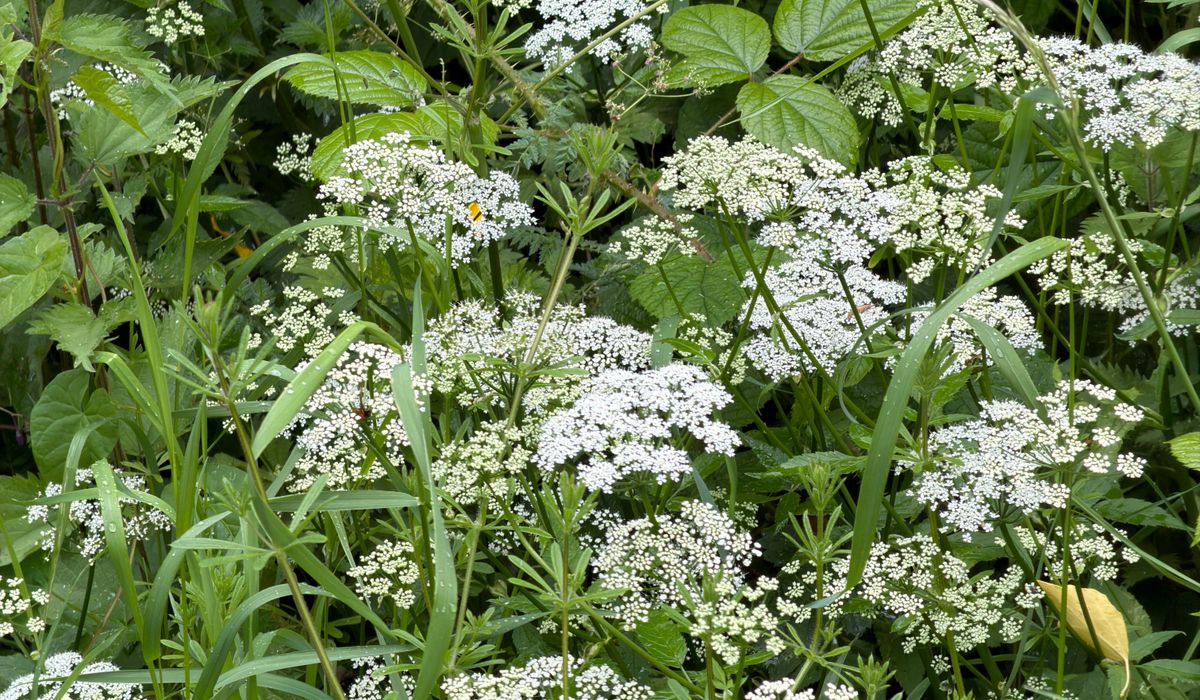
Why Reviving These Traditions Matters
Village traditions are not quaint relics. They are living threads that connect people to the land, to the changing seasons, and to one another. May Day, wassailing, and harvest suppers grew out of practical rural life: marking the end of winter, blessing orchards, and sharing the fruits of the year. In a time when many rural services are stretched and young people move away, these gatherings build resilience. They also remind us that woodland conservation and rural heritage are inseparable. Ancient woodlands, hedgerows, and traditional orchards depend on the same skills and care that keep festivals alive: coppicing, hedge laying, apple pruning, and the patient passing on of knowledge.
May Day: Greenery, Garlands and Community
May Day on 1 May welcomes summer with greenery, ribbons, and music. In many villages, the day begins with a dawn walk to gather flowers and branches — but do so responsibly. Pick only from abundant, unmanaged hedgerows with the landowner's permission, and never strip a tree or uproot wild plants. A sustainable alternative is to ask a local woodland conservation group for cuttings from coppiced hazel or willow. The maypole itself should be a reused or locally sourced pole, not a felled ancient tree.
A simple event might include a garland-making workshop using garden flowers and foraged greenery, a short procession, and dancing. If you organise, involve the parish council early. Check whether you need a road closure, music licence, or public liability insurance. Keep the focus on participation rather than performance: teach a simple dance, invite older residents to share memories, and make sure children are supervised near any open water or fires.
Wassailing: Waking the Orchards in Deep Winter
Wassailing traditionally takes place on Twelfth Night (5 or 6 January) or old Twelfth Night (17 January). It is a ceremony to wake apple trees and scare off evil spirits, often with singing, drumming, and cider-soaked toast placed in the branches. Traditional orchards are wildlife havens, but they have declined sharply. A wassail can raise funds and awareness for their restoration.
To organise respectfully, ask the orchard owner first. Use noisemakers — pots, pans, drums, whistles — rather than firearms. Keep fires in raised braziers, never on the woodland floor. Serve local cider or apple juice, and offer a non-alcoholic version. Learn a traditional wassail song from a local folk club or record it from an elder. After the event, collect all litter and toast. If the orchard is a Site of Special Scientific Interest, get advice before inviting a crowd.
Harvest Suppers: Celebrating Local Abundance
Harvest suppers usually fall in September or October, often near Michaelmas (29 September). They are bring-and-share meals that celebrate local food: bread, cheese, apples, preserves, and perhaps venison or game from managed woodland. Use the occasion to highlight conservation-friendly produce — apples from traditional orchards, honey from local hives, or charcoal from coppiced woodland.
Hold it in the village hall, a barn, or a church room. Ask guests to bring a dish and their own plate and cutlery to reduce waste. Include a short talk from a local woodland volunteer about hedge laying or dormouse monitoring. Music can be acoustic and unamplified. If you serve alcohol, check licensing rules. A raffle or auction of donated crafts can support a local woodland charity or a new community orchard.
Organising Respectfully: Practical Steps
Good events are planned with care, not just enthusiasm. Start small, build a committee, and delegate. The following checklist will help you avoid common pitfalls.
- Ask permission early. Contact the landowner, parish council, and local authority. Confirm access, parking, and any restrictions.
- Insure and risk-assess. Public liability insurance is essential. Assess risks from fires, candles, tools, food, and crowds. Have a first-aider present.
- Respect wildlife and woodland. Avoid nesting season (March to August) for tree work. Do not light fires in woods. Keep dogs on leads near livestock and ground-nesting birds. Leave deadwood in place.
- Be inclusive. Choose an accessible venue. Offer seating, a quiet space, and clear signage. Welcome newcomers and long-term residents alike. Provide non-alcoholic drinks.
- Stay sustainable. Use local suppliers, reusable cups and plates, and public transport or lift-sharing. Never leave litter or damage trees.
- Share skills. Invite a coppicer, hurdle maker, or folk singer to demonstrate. Record oral histories with permission.
Joining In: How to Be a Good Guest
If you are new to a village, joining a tradition is a privilege. Introduce yourself, ask what is needed, and offer practical help: setting up chairs, washing up, or baking a cake. Learn the songs and customs before suggesting changes. Respect boundaries — some events are private, some are religious, and some are simply for local people. Never photograph or film without asking, especially children. Bring a small cash donation for costs, and support the pub or shop afterwards.
Above all, remember that conservation and celebration go hand in hand. A well-managed wood provides maypole ribbons, wassail fuel, and harvest decorations. A vibrant festival reminds landowners and councils that these places matter. Whether you are reviving a lost wassail or attending your first harvest supper, you are part of a long chain of rural heritage. Do it with humility, good humour, and a willingness to leave the woodland better than you found it.


John Doe
14 January, 2022Having no content in post should have adverse..
Chauffina Carr
10 April, 2022We use these tests all time! Killer stuff!
Jim Séchen
16 July, 2022Thanks for all the comments, everyone!