

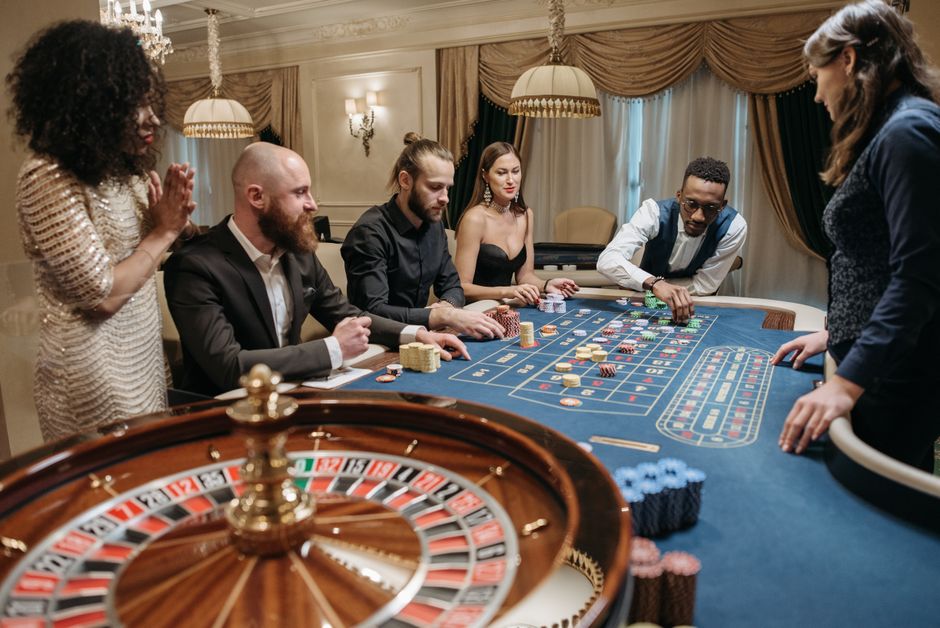
Every gambler has a theory. The machine is due. The payout percentage resets at midnight. The casino tightens the slots on weekends. None of it is true, but the beliefs persist because slot machines are deliberately engineered to feel random even when they are mathematically predictable. Understanding the gap between how slots feel and how they actually work is the single most useful thing a player can learn. It won't turn a losing session into a winning one, but it will stop you from making decisions based on fiction.
Random Number Generators Don't Have Memory
The core of every modern slot is a random number generator, or RNG. It's a piece of software that spits out millions of numbers per second, and each spin you press simply captures one of those numbers at the moment you hit the button. The result has no relationship to the spin before it or the one after it. This is the part players struggle with most.
If a machine hasn't paid out in an hour, that means nothing. If it just paid out big, that also means nothing. There's no "hot" or "cold" state — those are stories we impose on random data because human brains are pattern-matching machines that see faces in clouds. The industry term for believing a machine is overdue is the gambler's fallacy, and it's the most expensive belief in the building.
What RTP Actually Tells You
Return to player, or RTP, is the percentage of all wagered money a machine is designed to pay back over an enormous number of spins. A 96% RTP slot theoretically returns $96 for every $100 wagered — but that "theoretically" is doing heavy lifting. The math plays out over millions of spins, not over your 200-spin session. In a short session, variance dominates completely. You could hit a 500x bonus on your third spin or lose every cent across three hours on the same machine.
RTP is regulated in most jurisdictions, and reputable operators publish it. A few worth knowing:
- Online slots typically range from 94% to 97% RTP.
- Land-based casino slots usually sit lower, often 85% to 92%, because of higher operating costs.
- A difference of two percentage points sounds tiny but compounds hard over thousands of spins.
If you play slots regularly, chasing the highest RTP you can find is one of the few genuinely rational choices available to you.
Volatility Is the Other Half of the Equation
Two slots with identical RTP can behave completely differently. Volatility, sometimes called variance, describes how the payouts are distributed. A low-volatility slot pays small amounts frequently, keeping your bankroll alive but rarely delivering a monster hit. A high-volatility slot can drain your balance for hundreds of spins before dumping a 5,000x win in one go.
Neither is better. They suit different goals. If you want a long session with a small bankroll, low volatility is your friend. If you're chasing a life-changing hit and can stomach losing your entire balance without a single meaningful win, go high. The mistake is sitting down at a high-volatility slot with $20 and expecting a two-hour session. The math won't cooperate.
Poker Is the One Game Where Skill Beats the House
Slots are pure luck with a fixed edge for the casino. Poker is different. When you play poker against other players rather than the house, the casino takes a rake — a small cut of each pot — and the rest is a contest of skill. Over enough hands, a better player extracts money from weaker ones. This is why poker is the only major casino game where long-term winners exist. 58winn.co.com covers this in more detail.
The catch is that "long term" is measured in tens of thousands of hands, and even strong players endure brutal losing streaks. Key concepts that separate winning players from losing ones:
- Bankroll management — never sit at a table with money you need, and keep at least 20 buy-ins for the stake you're playing.
- Position — acting last in a hand gives you more information, and information is the entire game.
- Range thinking — stop guessing exact hands and start estimating the range of hands an opponent could hold.
- Discipline — folding a good hand when the math says you're beaten is a skill most players never develop.
Betting markets follow similar logic. Sports bettors who treat it as entertainment with a fixed budget do fine. Those who believe they've cracked the code usually discover the bookmaker's margin is sharper than their intuition.
The House Edge Never Sleeps
Every casino game carries a built-in advantage for the house, and it's baked into the rules, not enforced by shady dealers. Blackjack with perfect basic strategy sits around 0.5% house edge. European roulette is 2.7%. American roulette, with its extra double-zero, jumps to 5.26%. Slot edges hide in the RTP. These percentages are the casino's guaranteed profit over time, and no strategy, ritual, or lucky shirt changes them.
What you can control is how long you play and how much you wager. Time multiplied by bet size multiplied by house edge equals expected loss. Reduce any of those variables and you reduce the bleed. That's the whole game, mathematically speaking.
Practical Habits That Actually Help
- Set a loss limit before you start and treat it as concrete, not aspirational.
- Play slots with published RTP above 96% when you have the option.
- Avoid side bets and progressive jackpot add-ons unless you're paying for entertainment, not value.
- Take breaks. Fatigue drives bad decisions more than bad luck does.
- Track your sessions. Most players vastly overestimate their wins and forget their losses.
The Only Honest Conclusion
iGaming is a business built on mathematical certainty, and you're on the other side of that certainty. That doesn't mean you can't enjoy it — people pay for entertainment every day, and a slot session or a poker night is no different. The players who get burned are the ones who convince themselves the math doesn't apply to them. The ones who last treat the money as spent the moment it leaves their account, play within limits, favor games with better odds, and understand that the outcome of any single session is noise. Know the engine under the hood, respect it, and you'll keep the experience on your terms instead of the house's.






John Doe
14 January, 2022Having no content in post should have adverse..
Chauffina Carr
10 April, 2022We use these tests all time! Killer stuff!
Jim Séchen
16 July, 2022Thanks for all the comments, everyone!